
.webp)
Unshaved Hair Transplant
Unshaved Hair Transplant
No-Shave FUE or Long Hair Transplant
Unshaved hair transplant, also known as No-Shave FUE or Long Hair Transplant, is a specialized hair restoration technique where the donor and recipient areas are left unshaved during the procedure. This method is ideal for individuals who wish to avoid the visibility of the procedure and maintain their existing hairstyle during the recovery period. Unlike traditional hair transplants that require full or partial shaving, this technique extracts and implants hair follicles discreetly, making it a preferred option for those concerned about aesthetics and privacy.
This method can be performed using advanced techniques like FUE or DHI, ensuring minimal scarring and natural-looking results. Unshaved hair transplants are particularly suitable for people with localized hair thinning or small bald patches, allowing for precise restoration while maintaining the appearance of their existing hair. Though it may take slightly longer than conventional methods due to the meticulous extraction and implantation process, it provides a seamless and discreet transition to a fuller head of hair.
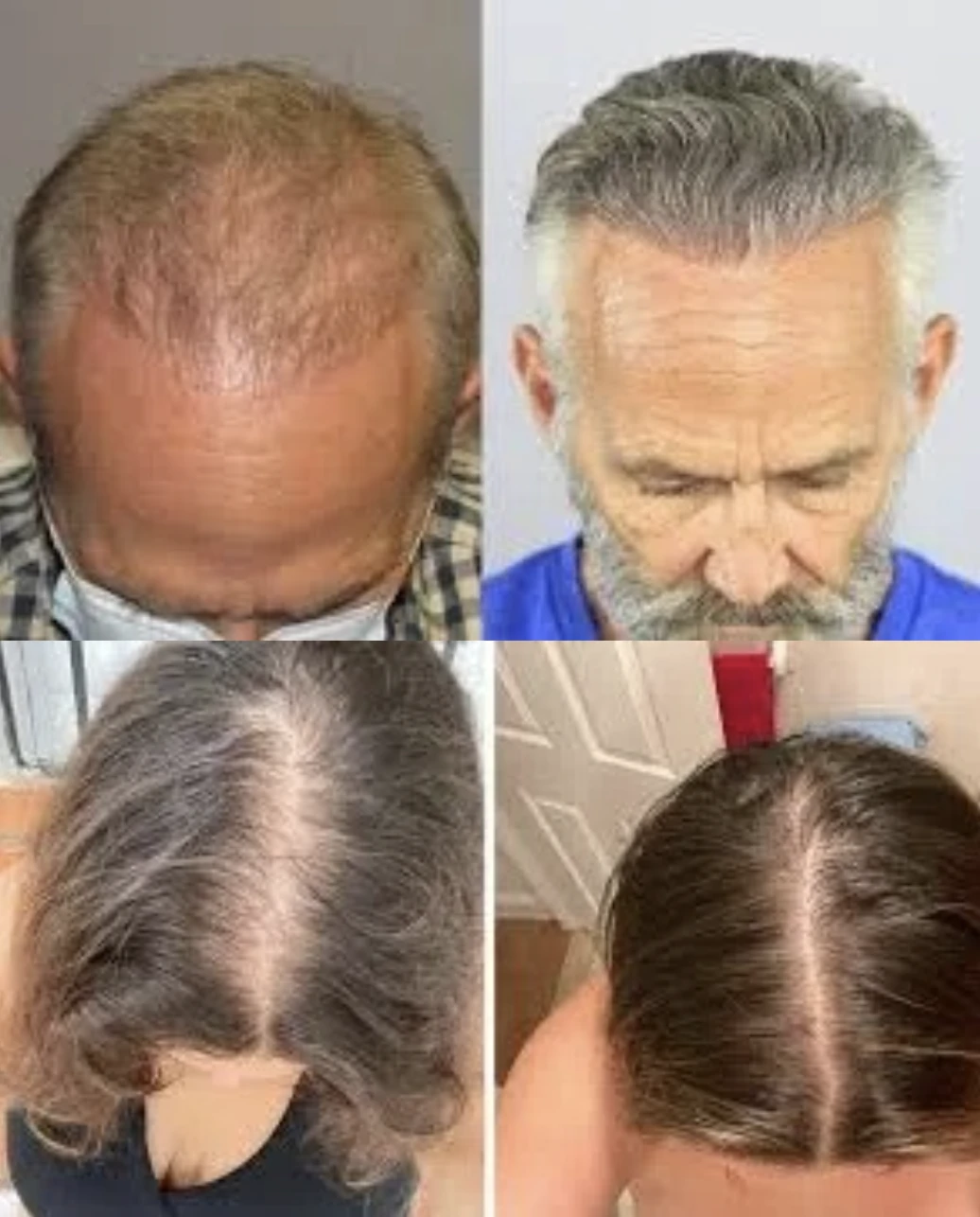
No Need for Shaving: The donor and recipient areas are left unshaved, preserving the patient’s natural hairstyle.
Discreet Procedure: Ideal for individuals who want to keep the procedure private, with no visible signs of surgery.
Advanced Techniques: Utilizes FUE or DHI methods to ensure precision and minimal trauma.
Minimal Scarring: Small extraction sites heal quickly and are hidden by surrounding hair.
Natural-Looking Results: Hair grows in the same direction and pattern as natural hair for a seamless appearance.
Preserves Aesthetics: Patients can return to work or social activities without noticeable changes during recovery.
Custom Hairline Design: Allows for personalized hairline shaping to suit facial proportions.
Suitable for Small Areas: Best for treating localized thinning or smaller bald patches.
High Graft Survival Rate: Advanced techniques and minimal graft handling ensure successful follicle integration.
Boosts Confidence: Offers a natural and immediate aesthetic improvement without the need for dramatic hairstyle changes.
The Healing Process
Symptoms: Minor redness, swelling, and tiny scabs may appear in the donor and recipient areas, although these are well-hidden by existing hair.
Care: Avoid washing or touching the scalp during this period. Use prescribed medications, such as antibiotics, anti-inflammatories, and hair growth serums, as advised.
Initial 1–3 Days
Scabbing and Shedding: Tiny scabs form around the implanted follicles and begin to fall off naturally. Some transplanted hairs may shed, which is normal.
Care: Begin gentle washing with a surgeon-recommended shampoo. Avoid scratching or disturbing the healing areas.
Days 3–7
Shock Loss: Transplanted hairs may temporarily fall out as the follicles enter a dormant phase. This does not affect the roots, which will start new growth soon.
Care: Keep the scalp clean and avoid excessive styling or products during this phase.
Weeks 2–4
Dormant Phase: Hair follicles remain in a resting phase, with minimal visible growth. Some natural shedding of existing hair may occur.
Care: Focus on a balanced diet and scalp hygiene to support healthy regrowth.
Months 1–3
Growth Phase Begins: New hair starts growing, blending gradually with the existing hair. Initially thin, it becomes thicker over time.
Care: Resume light styling but avoid harsh treatments like excessive heat or chemical processing.
Months 4–6
Full Results: The transplanted hair achieves full density and length, blending seamlessly with natural hair for a completely natural and fuller look.
Months 9–12