
.webp)
Anesthesia in Hair Transplants
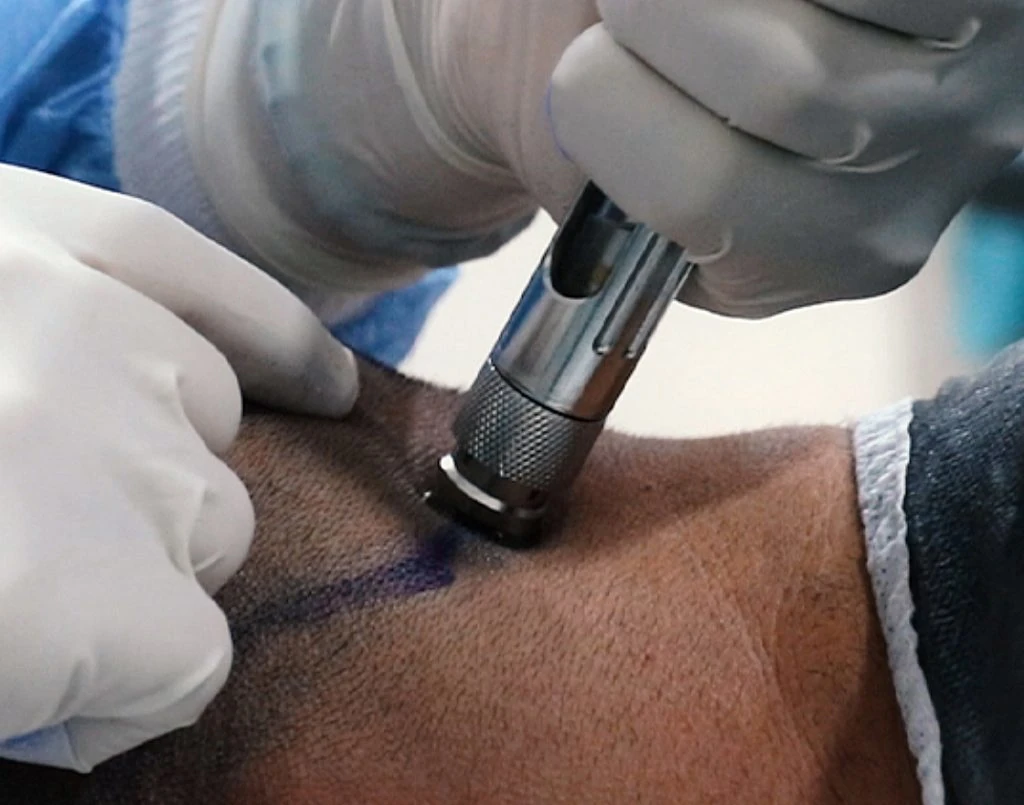
Anesthesia in Hair Transplants
Comfortable and Pain-free
Anesthesia is a crucial aspect of the hair transplant procedure, as it ensures that the patient remains comfortable and pain-free throughout the process. Regardless of the technique used—whether it’s FUE, DHI, Unshaved Hair Transplant, or for patients with Afro-textured hair—local anesthesia is typically administered to numb the donor and recipient areas. The anesthesia technique may vary slightly depending on the method used and the patient’s preferences, but its primary goal is to prevent pain and discomfort during the procedure while ensuring the patient remains awake and aware.
Local anesthesia is generally administered through injections at the donor site (usually the back of the scalp) and the recipient area. The most common forms of anesthesia include lidocaine, prilocaine, or bupivacaine, which are fast-acting and provide extended numbness. This local numbing effect eliminates the discomfort associated with both the extraction of hair follicles and the implantation process, making the entire procedure relatively pain-free for the patient.
For patients who may experience anxiety or have a low pain threshold, sedation can be administered in combination with local anesthesia. This sedative effect helps the patient feel more relaxed and comfortable throughout the procedure without putting them to sleep. Sedation is often used in more extensive procedures or for patients undergoing longer surgeries, ensuring a calm experience while still allowing the patient to remain awake.
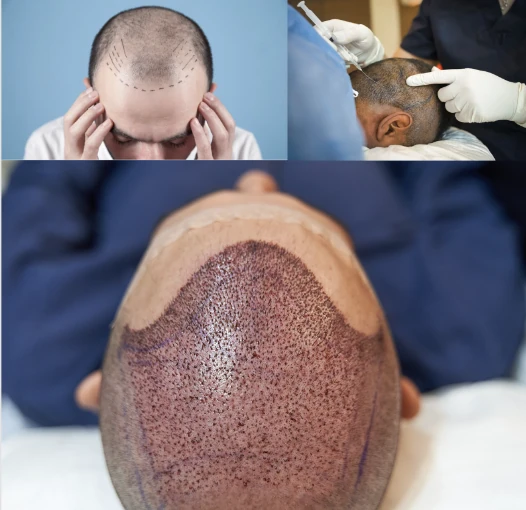
Anesthesia for
Different Hair Transplant Types
Follicular Unit Extraction (FUE): FUE is a minimally invasive procedure that involves extracting individual hair follicles using a small punch tool. Local anesthesia is injected into the donor and recipient sites, numbing the area completely for the duration of the procedure. The patient is typically awake during the process, but if necessary, mild sedation may be used to enhance comfort.
Direct Hair Implantation (DHI): DHI is a similar procedure to FUE, but it uses a specialized tool for direct implantation without creating incisions. The patient will receive local anesthesia in the scalp’s donor and recipient areas. Mild sedation may be added for patients who experience anxiety or wish to remain completely relaxed throughout the procedure.
Unshaved Hair Transplant: This technique involves harvesting and implanting hair without shaving the donor or recipient areas. Local anesthesia is administered just as in FUE or DHI. However, the process may take longer due to the delicate nature of the procedure, and patients may opt for additional sedation to make the procedure more comfortable.
Afro Hair Transplants: For Afro-textured hair, the same anesthesia procedures are used as in FUE and DHI. Local anesthesia is administered to numb both the donor and recipient areas. Due to the unique curl pattern and the precision required for Afro hair transplants, the procedure may take longer, and some patients may request light sedation to help them remain relaxed throughout.
Post-Procedure
Anesthesia Effects
After the procedure, the local anesthesia will begin to wear off, and patients may experience mild discomfort or a sensation of tightness or numbness in the scalp. Pain is generally minimal, and most patients are prescribed over-the-counter pain medications or mild painkillers to manage any residual discomfort. It’s common to feel some soreness or tenderness for the first few days following the transplant, but this is temporary.
If sedation was used, patients will need a short recovery period before being able to leave the clinic. Most people feel fully alert within a few hours, but it’s advisable to arrange for transportation home, as the sedative may cause drowsiness or lightheadedness.
Safety
And Considerations
Anesthesia for hair transplants is considered safe, especially when administered by an experienced medical professional. Before the procedure, patients are thoroughly evaluated for any allergies, sensitivities, or contraindications to anesthesia. The procedure is typically very safe, and complications related to anesthesia are rare. However, it’s important for patients to inform their surgeon of any medical conditions, medications, or previous reactions to anesthesia, so the team can ensure the safest approach for their procedure.
In conclusion, anesthesia plays an essential role in ensuring a comfortable and pain-free hair transplant experience. Whether it’s a simple local anesthetic injection, mild sedation, or a combination of both, the goal is to provide the patient with a seamless experience and allow them to achieve their desired results with minimal discomfort.