
.webp)
Afro Hair Transplant
Afro Hair Transplant
For Individuals with Naturally Curly, Coiled, or Textured Hair
Afro hair transplants are specialized hair restoration procedures tailored for individuals with naturally curly, coiled, or textured hair. Due to the unique characteristics of Afro-textured hair, such as its tighter curl pattern and higher density, hair restoration techniques must be adapted to ensure optimal results. The most common methods used for Afro hair transplants are Follicular Unit Extraction (FUE) and Direct Hair Implantation (DHI), both of which allow for precision in graft extraction and placement to match the natural curl pattern of the hair.
Afro hair transplants offer a permanent solution to hair loss or thinning, and the results are designed to mimic the natural texture and growth patterns of the patient’s original hair. Whether for a receding hairline, thinning crown, or hairline restoration, the process is customized to ensure that the transplanted hair integrates seamlessly with the existing Afro-textured hair. These procedures require advanced techniques and skilled surgeons familiar with the nuances of curly hair, ensuring that each transplant is carefully planned and executed for the best aesthetic outcome.
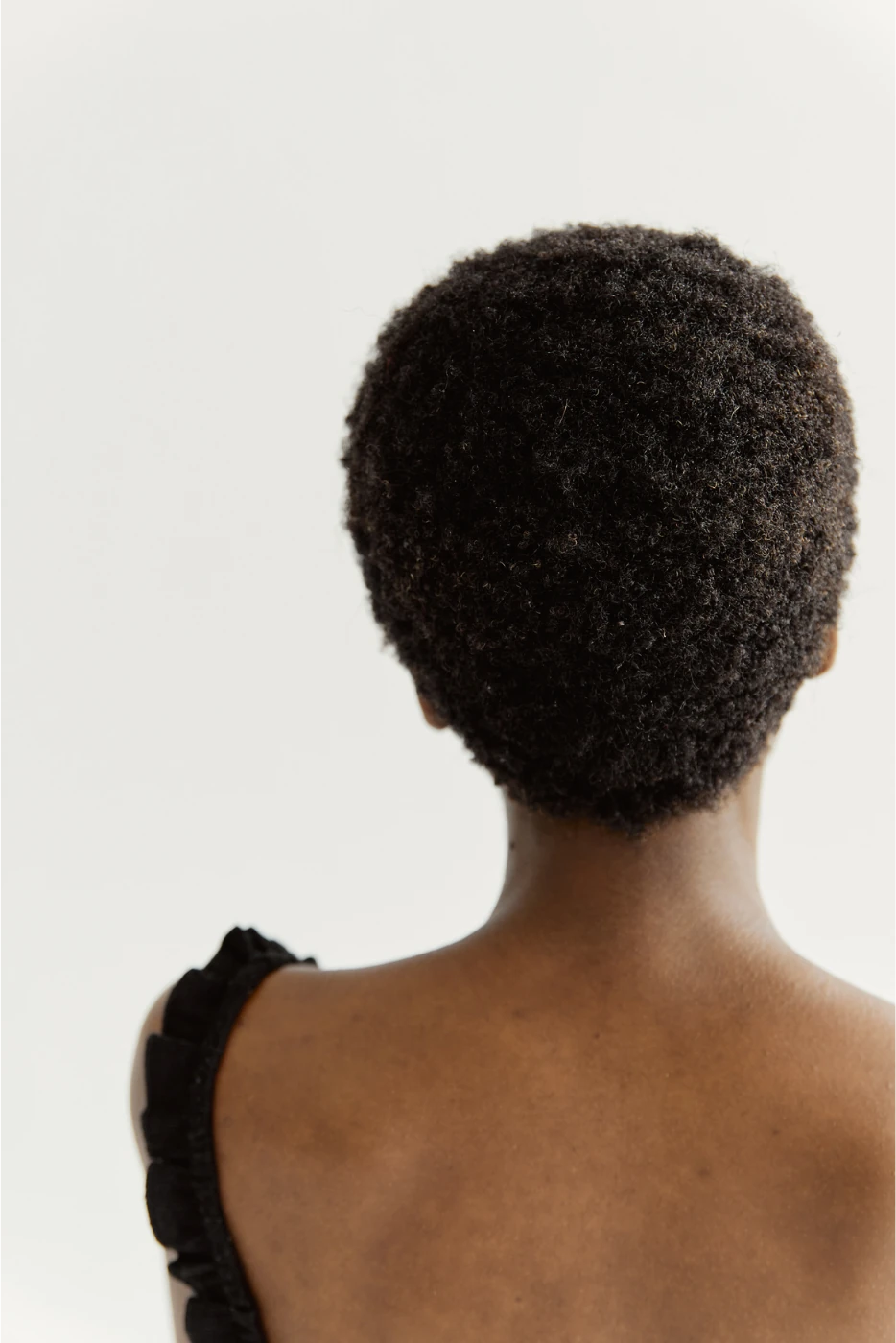
Customized to Curl Patterns: The procedure is specifically tailored to match the natural curl and texture of Afro hair.
FUE and DHI Techniques: These advanced techniques are perfect for Afro-textured hair, providing precise extraction and implantation.
Minimally Invasive: Both FUE and DHI techniques are non-surgical, meaning less scarring and faster recovery.
Natural Results: The transplanted hair blends seamlessly with existing Afro hair, maintaining the natural texture and curl.
Higher Density: Afro hair typically has a dense texture, allowing for more follicles to be transplanted in a small area, giving the appearance of thicker hair.
Permanent Solution: Results are long-lasting, providing a permanent solution for hair loss or thinning.
No Visible Scarring: The minimally invasive methods ensure that scarring is minimal and hidden by the natural curl of the hair.
Suitable for Various Stages of Hair Loss: Whether for receding hairlines or thinning crowns, Afro hair transplants are suitable for all stages of hair loss.
Adaptable for Different Areas: These methods are ideal for transplanting hair to various areas, including the hairline, temples, or crown.
Boosts Confidence: Restoring the natural volume and curl of Afro hair can greatly enhance self-esteem and confidence.
The Healing Process
Symptoms: Redness, swelling, and small scabs may form at the donor and recipient sites. There may also be slight discomfort or tenderness.
Care: Avoid touching or washing the scalp during this period. Follow the surgeon’s advice on taking medications for pain management and to prevent infection.
Initial 1–3 Days
Scabbing and Shedding: Small scabs form around the transplanted follicles and will naturally fall off. Some transplanted hair may shed during this time as part of the shock loss phase.
Care: Begin gentle washing with a prescribed shampoo and avoid scratching or disturbing the transplanted areas.
Days 3–7
Shock Loss: Transplanted hairs may fall out as part of the normal shedding process. This is temporary, and the follicles will begin new growth soon.
Care: Keep the scalp clean and moisturized, and avoid heavy styling or product use.
Weeks 2–4
Dormant Phase: The transplanted follicles remain in a dormant phase, with little to no visible growth. Existing hair may also shed temporarily.
Care: Focus on maintaining a healthy scalp and diet to encourage hair regrowth.
Months 1–3
Growth Phase Begins: The new hair begins to grow, initially as fine, soft strands. The hair will begin to thicken and curl to match the patient’s natural texture.
Care: Light styling can begin, and regular trims can help shape the growing hair to achieve the desired look.
Months 4–6
Final Results: The transplanted hair reaches its full length and density, blending naturally with the existing Afro-textured hair. The curls become more defined, and the hairline appears fuller.
Months 9–12